2026-08-18 · Quinn Adler
Checking for Wind Damage After Spring Storms in Missouri
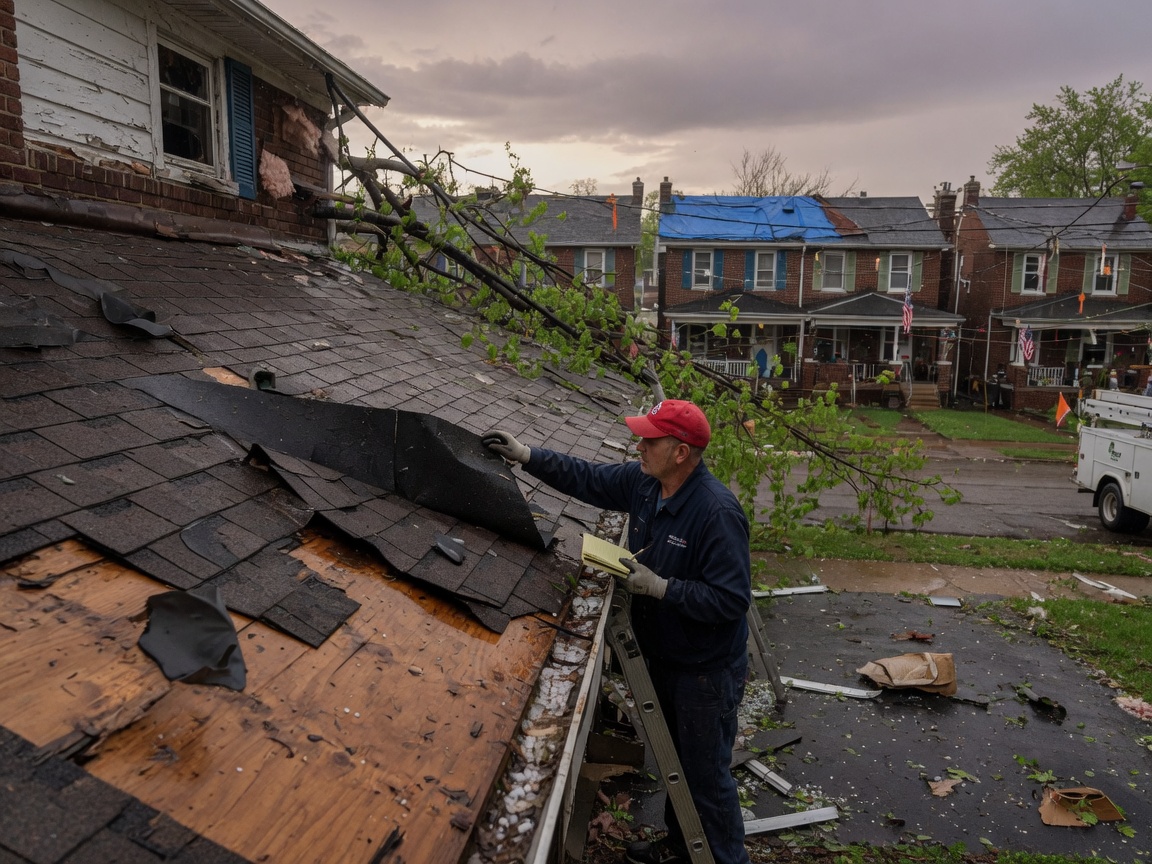
After spring storms hit St. Louis with gusts often exceeding 60 mph, begin your wind damage check by walking the ground perimeter and scanning for loose shingles or granules in gutters. Homes in neighborhoods such as Soulard and Lafayette Square, built mostly before 1920, show lifted tabs faster than newer stock because their asphalt shingles have aged past the 15-year mark. Move to the attic next and look for daylight spots or water stains along rafters, especially near the ridge where wind can force rain under ridge caps.
Spotting Missing or Damaged Shingles
Wind typically peels shingles starting at the eaves and working upward, leaving exposed felt or plywood in strips 2 to 4 feet wide. In Tower Grove South and Shaw, where many roofs are 20 to 30 years old, count any missing pieces in groups of three or more; that pattern usually signals repeated wind uplift rather than isolated age wear. Check the north and west slopes first because prevailing storm winds come from those directions across the Mississippi floodplain. Granule loss appears as dark streaks on lighter shingles; run your hand across suspect areas and note if the surface feels rough or bald. If you find 10 or more damaged shingles on a single slope, schedule an inspection rather than attempting temporary fixes that rarely hold through the next humid continental storm cell.
Inspecting Flashing and Vents
Metal flashing around chimneys, skylights, and valleys fails when wind bends or lifts the edges, allowing water to enter during the heavy rains that follow severe spring fronts. On homes in Central West End and Forest Park Southeast, step flashing often pulls away from brick because mortar joints have loosened over decades. Look for bent or missing vent boots on plumbing stacks; these rubber collars tear when gusts exceed 50 mph and leave a 1-inch gap around the pipe. In Benton Park, where many roofs sit at steeper pitches, check the transition points between roof planes because wind accelerates there and pries up step flashing. Document each location with photos that include nearby landmarks such as the Cathedral Basilica spire for reference when you discuss findings with a contractor.
Attic and Interior Checks
Enter the attic during daylight and turn off lights to spot pinprick holes or larger gaps where wind has displaced underlayment. Insulation displaced in clumps near the eaves indicates air movement from outside, common in Midtown and Downtown buildings with balloon framing. Water stains on ceiling drywall often appear days later in rooms directly below the ridge; mark their edges with tape so you can track whether they grow after the next rainfall. In Carondelet, older plaster ceilings crack in straight lines along joists when wind-driven rain saturates the decking above. These interior signs confirm that exterior damage has already allowed moisture past the primary roof layer.
Knowing When Professional Help Is Needed
If your inspection reveals lifted flashing, multiple missing shingles, or attic daylight, contact a local roofer for storm damage repair in St. Louis before the next front arrives. Older homes in The Hill and Delmar Loop frequently need targeted roof repair in St. Louis rather than full replacement when wind affects only one or two slopes. Compare your findings against the article What Affects the Price of Asphalt Shingle Repairs in St. Louis to understand typical material and labor ranges for 15- to 25-square sections. Schedule the visit within 10 days of the storm so any temporary tarps or sealant can be applied before summer humidity accelerates wood rot in the decking.